
Shipping & Storage Containers on Begur Road
Dry, orderly space for cement and bagged building materials, a shop's stock while it is rebuilt, playground and outdoor gym equipment between installations, and wooden doors, frames and locks.
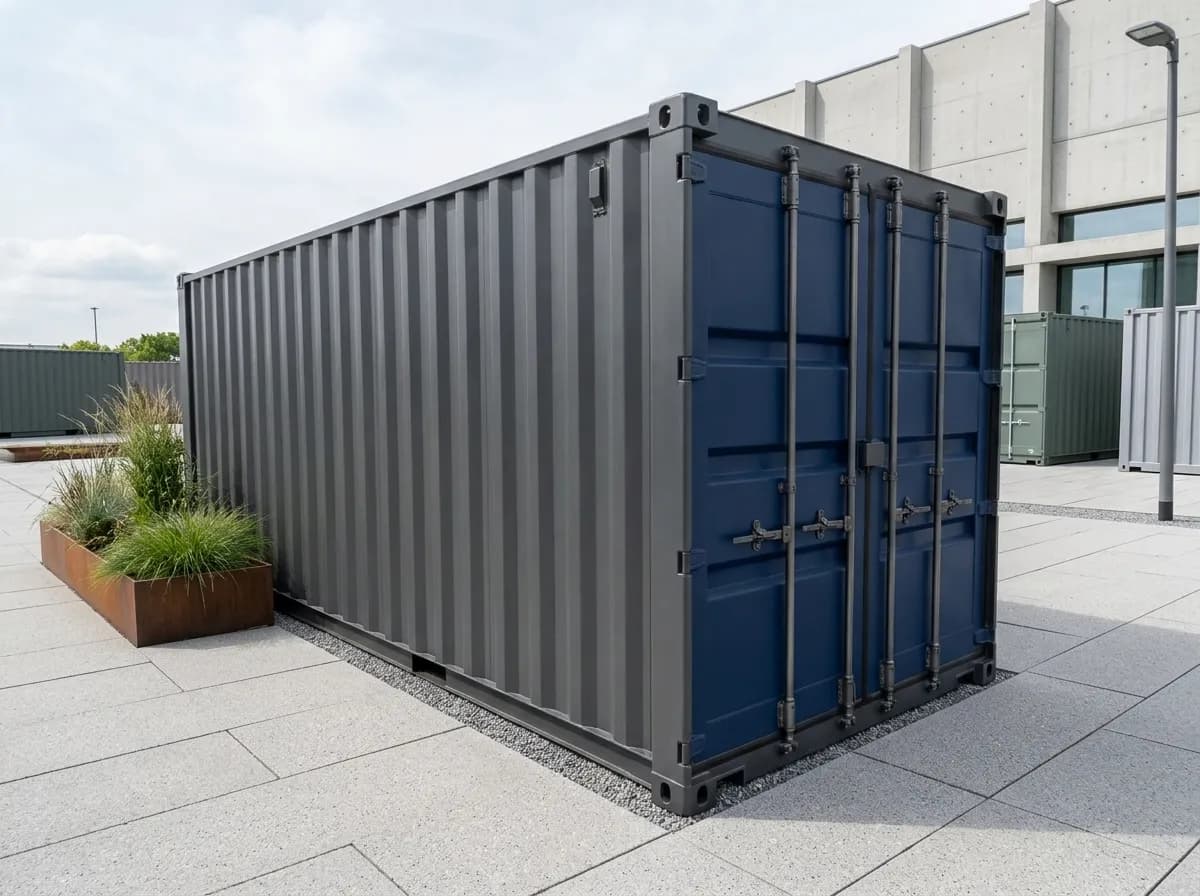
Begur is one of Bengaluru's historically significant localities, associated with an early inscription recording the name Bengaluru.
Today, Begur Road serves a growing residential and commercial area with construction activity, shops and local businesses.
Building-material dealers may need dry, organised space for cement, wall putty, tile adhesive and other bagged products. Shopkeepers may also require temporary storage for merchandise, shelves, counters and fixtures when rebuilding or relocating their premises.
Playground and outdoor gym installers also handle bulky equipment between installation projects, while wooden door dealers need organised space for doors, frames, locks and fittings.
For these commercial inventory and equipment needs, Portable Office Cabin offers shipping and storage container solutions on Begur Road.
Heavy bagged stock, shop fittings moved out in a hurry, long play-equipment sections and wooden doors all need planning first: the load on the floor, protection from damp and permission to use the site. Our range of cargo and storage containers shows the units we supply.
Storage Containers for Cement & Building-Material Dealers
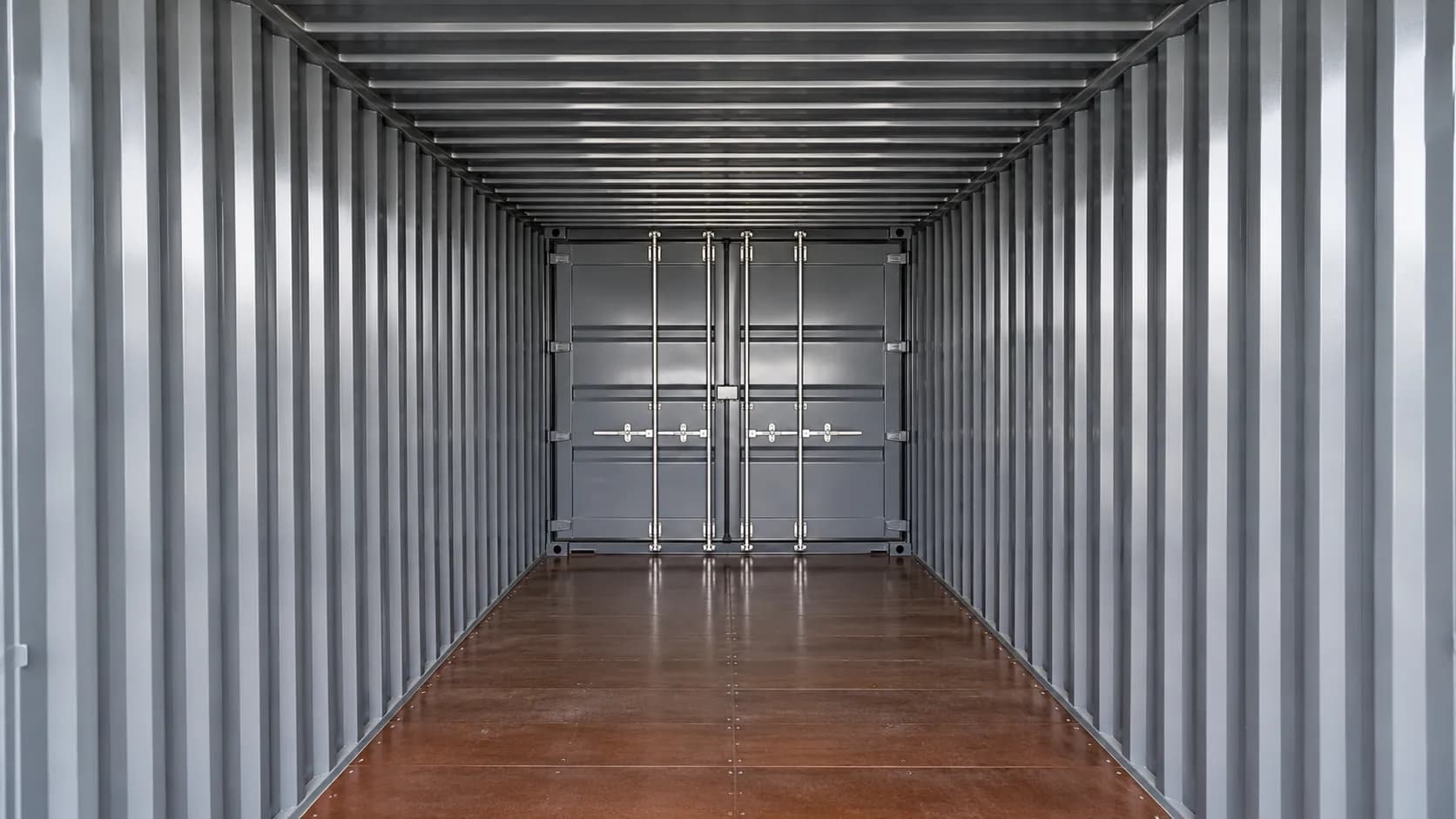
Cement and other bagged construction materials need careful protection against moisture, contamination and physical damage.
A suitable shipping container can provide additional storage space, provided its condition, its protection from the weather and its structural capacity meet the actual storage requirements.
Cement bag storage
Cement bags may be stored using:
- Suitable pallets or raised platforms.
- Stable stacking arrangements.
- Appropriate separation from damp surfaces.
- Protection against water ingress.
- Clear handling access.
- Regular stock inspections.
Do not place cement bags directly on a damp metal floor.
Cement stacking and floor-loading safety
Bagged construction materials are very heavy, and the weight adds up quickly. Before storing cement, verify:
- The container's floor-load rating.
- The total stock weight.
- Concentrated pallet loads.
- Support arrangements.
- Stacking height.
- The manufacturer's recommendations.
- Loading and unloading methods.
A standard 20 ft or 40 ft container cannot be assumed to hold any quantity of cement safely. The rated payload and floor rating of the unit you will receive are confirmed before a cement store is quoted.
About ten bags high is often quoted as a stacking limit for cement. Treat it as a general reference, not a universal rule, and follow the cement manufacturer's storage instructions and the safety requirements that apply.
Wall putty, tile adhesive and grout storage
Compatible materials may include:
- Wall putty.
- Tile adhesive.
- Grout.
- Plaster products.
- Other dry bagged construction materials.
Keep different products separated and clearly labelled, and follow each manufacturer's instructions on humidity, shelf life and stacking.
Stock rotation and expiry tracking
Dealers may organise materials by:
- Product type.
- Brand.
- Grade.
- Batch number.
- Manufacturing date.
- Arrival date.
- Expiry or recommended use-by date.
Use a first-in-first-out or expiry-based rotation system that suits your stock.
Why dry storage matters
Cement and other cementitious materials can deteriorate when exposed to moisture or unsuitable storage conditions.
About three months is often quoted as a guide for how long bagged cement should be kept. It is not a universal shelf life: always follow the manufacturer's actual shelf-life and storage guidance.
Hardware dealer backstock
Suitable non-hazardous inventory may include:
- Boxed fittings.
- Hand tools.
- Fasteners.
- Plumbing accessories.
- Other compatible hardware.
Store these items on appropriately rated shelves. Do not place heavy shelving loads above cement stacks without a properly designed support arrangement.
Moisture and condensation control
A container used for bagged materials may need:
- Inspection of the roof, walls and doors.
- Appropriate ventilation.
- Insulation where suitable.
- Moisture monitoring.
- Raised storage platforms.
- Suitable door seals.
- Regular leak inspections.
A wind-and-watertight container does not by itself guarantee a dry interior in all conditions.
Storage Containers for Shopkeepers During Rebuilding & Road-Widening Work
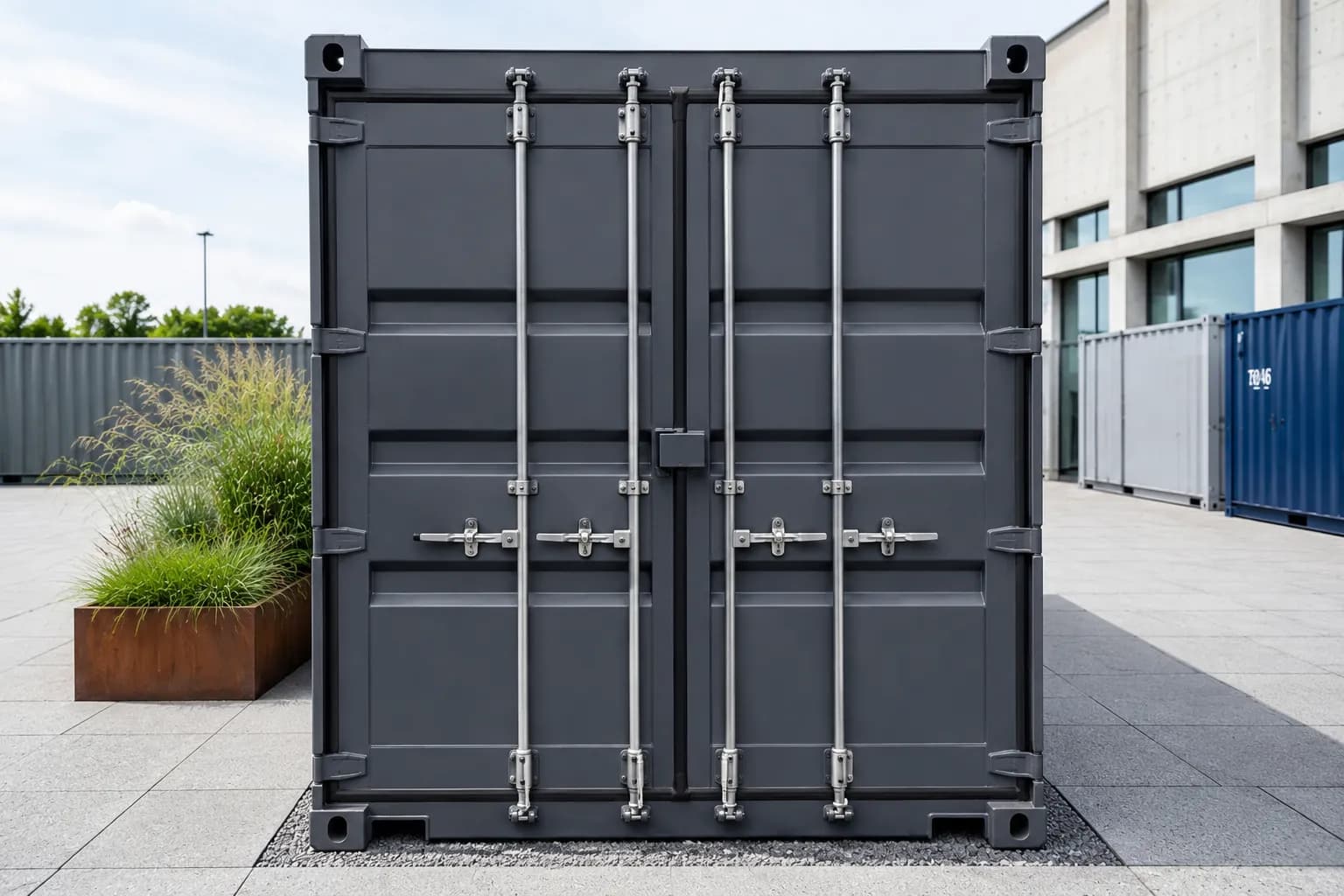
Rebuilding or relocating a shop, or road-related works in front of it, can create a sudden, temporary need to move stock and fixtures out.
A suitable storage container can provide additional space on premises you are authorised to use while the shop is being rebuilt.
Boxed merchandise storage
Shop stock may be organised by:
- Product category.
- Supplier.
- Stock quantity.
- Customer orders.
- Dispatch priority.
- Return status.
Use labelled cartons and keep an inventory register.
Shelving, counters and display units
Shop fixtures may include:
- Dismantled shelves.
- Counters.
- Display racks.
- Storage cabinets.
- Signboards.
- Other compatible fittings.
Wrap and support fixtures so they are not damaged in storage.
Signboard storage
A shop's signboard, taken down for the rebuild, may need:
- Suitable padded supports.
- Stable positioning.
- Protection against bending.
- Careful handling.
- Separation from heavy stock.
Follow the sign maker's handling recommendations.
Refrigerator and cooler storage
Some shops may need to store:
- Display refrigerators.
- Beverage coolers.
- Other compatible electrical equipment.
Follow the equipment manufacturer's instructions for cleaning, draining, storage orientation, door position and restarting. Not every refrigerator can be stored or restarted the same way.
Daily-access stock section
Where the shop keeps trading from an approved temporary location, the stock it needs every day can be placed nearest the container doors.
This is for storage and stock retrieval only. An ordinary storage container is not an approved retail shop: selling from one needs the right modifications and permissions first.
Inventory and relocation checklist
Before moving shop stock:
- Photograph valuable items.
- Prepare a stock register.
- Label cartons.
- Separate fragile merchandise.
- Record dismantled fixtures.
- Identify frequently needed stock.
- Confirm the storage location.
- Check loading and unloading arrangements.
- Keep a record of stock removed and returned.
Road-widening and site permissions
Road-widening plans or works may affect the land and access available. Before placing a container:
- Confirm the current site boundaries.
- Obtain the property owner's permission.
- Check which municipal approvals apply.
- Check whether the location falls within an officially notified road-widening alignment.
- Keep pedestrian, vehicle and emergency access clear.
A container must not be placed on a public road, a footpath or an unauthorised setback area. Whether a particular Begur Road property is affected by widening is a matter for the current official records, not for this page.
Storage Containers for Playground Equipment Installers
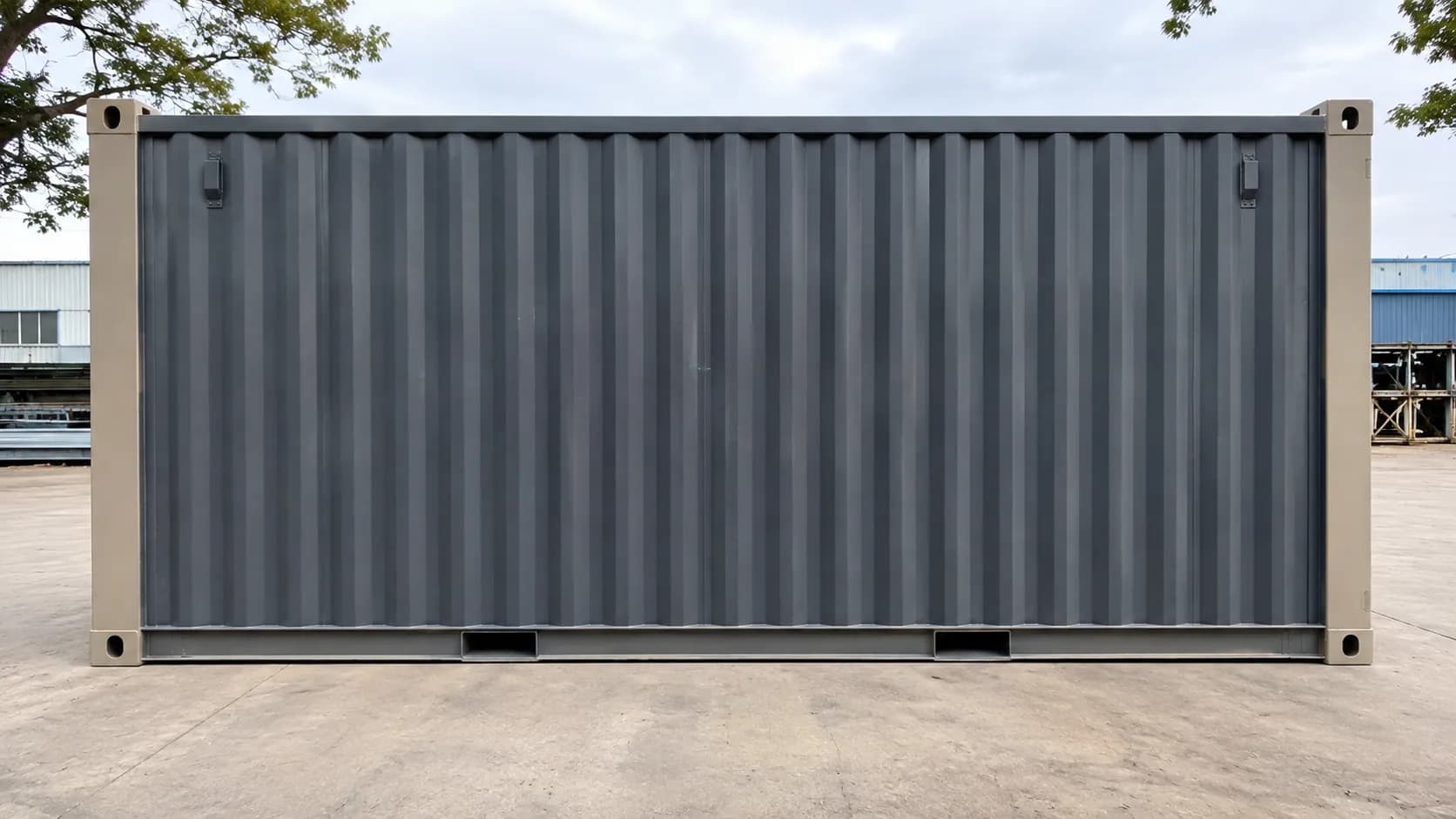
Playground installation companies may handle slides, swings, climbing structures, platforms, safety surfacing and other components for apartment complexes, schools and parks.
A suitable shipping container may help organise that equipment between its arrival from the supplier and its dispatch to each installation site.
Slides, platforms and play structure components
Compatible inventory may include:
- Slide sections.
- Play panels.
- Platforms.
- Structural posts.
- Climbing components.
- Spring riders.
- Swing seats and chains.
Label components by project, structure, dimensions and installation sequence, and keep them on suitable racks, protective supports and restraints.
Follow the equipment manufacturer's storage and handling requirements.
Project-wise hardware kits
Small components can be organised into labelled kits containing:
- Bolts.
- Nuts.
- Washers.
- Brackets.
- Anchors.
- Other approved fittings.
Label each kit by project and equipment model, and keep an inventory checklist so that fewer parts go missing on installation day.
Outdoor gym equipment storage
Outdoor fitness equipment may include:
- Exercise stations.
- Fitness frames.
- Pedal units.
- Exercise benches.
- Other installation components.
Heavy units need suitable lifting arrangements, stable supports and correctly rated restraints. Use the container's lashing points only within their verified rated capacity.
Not every component can be secured with ordinary straps or on ordinary pallets.
Rubber safety tile storage
Rubber safety tiles may require:
- Stable, level supports.
- Suitable stacking limits.
- Protection from contamination.
- Appropriate temperature conditions.
- Manufacturer-approved storage methods.
Tile products differ, and so do their storage requirements: check each product's instructions.
Artificial turf roll storage
Artificial turf may be stored in rolls where the manufacturer permits it. Follow its requirements for:
- Roll orientation.
- Maximum stacking.
- Support.
- Temperature.
- Moisture protection.
- Handling.
Avoid folding turf unless the manufacturer specifically permits it.
EPDM granule storage
Bagged EPDM granules may be stored where the product's packaging and environmental requirements are met.
Use suitable pallets or supports, and follow the manufacturer's guidance on stacking, moisture and temperature.
Warranty parts and replacement stock
A dedicated section may hold:
- Replacement components.
- Spare hardware.
- Approved fittings.
- Equipment awaiting inspection.
- Warranty-related parts.
Keep damaged or returned items clearly identified.
Installation tools
Compatible tools may include:
- Drills.
- Measuring equipment.
- Hand tools.
- Anchoring accessories.
- Other installation equipment.
Use suitable toolboards, shelves and lockable storage.
Surfacing adhesives, binders and sealants
Some surfacing binders, adhesives and sealants may be hazardous or flammable. Store them according to their safety data sheets, the manufacturer's instructions and the regulations that apply.
An ordinary storage container is not an approved store for hazardous chemicals.
Playground safety requirements
Equipment installation must follow the applicable safety requirements, the manufacturer's specifications and the standards required by the customer or project.
A storage container does not itself certify playground equipment as safe.
Storage Containers for Wooden Door & Door Hardware Dealers
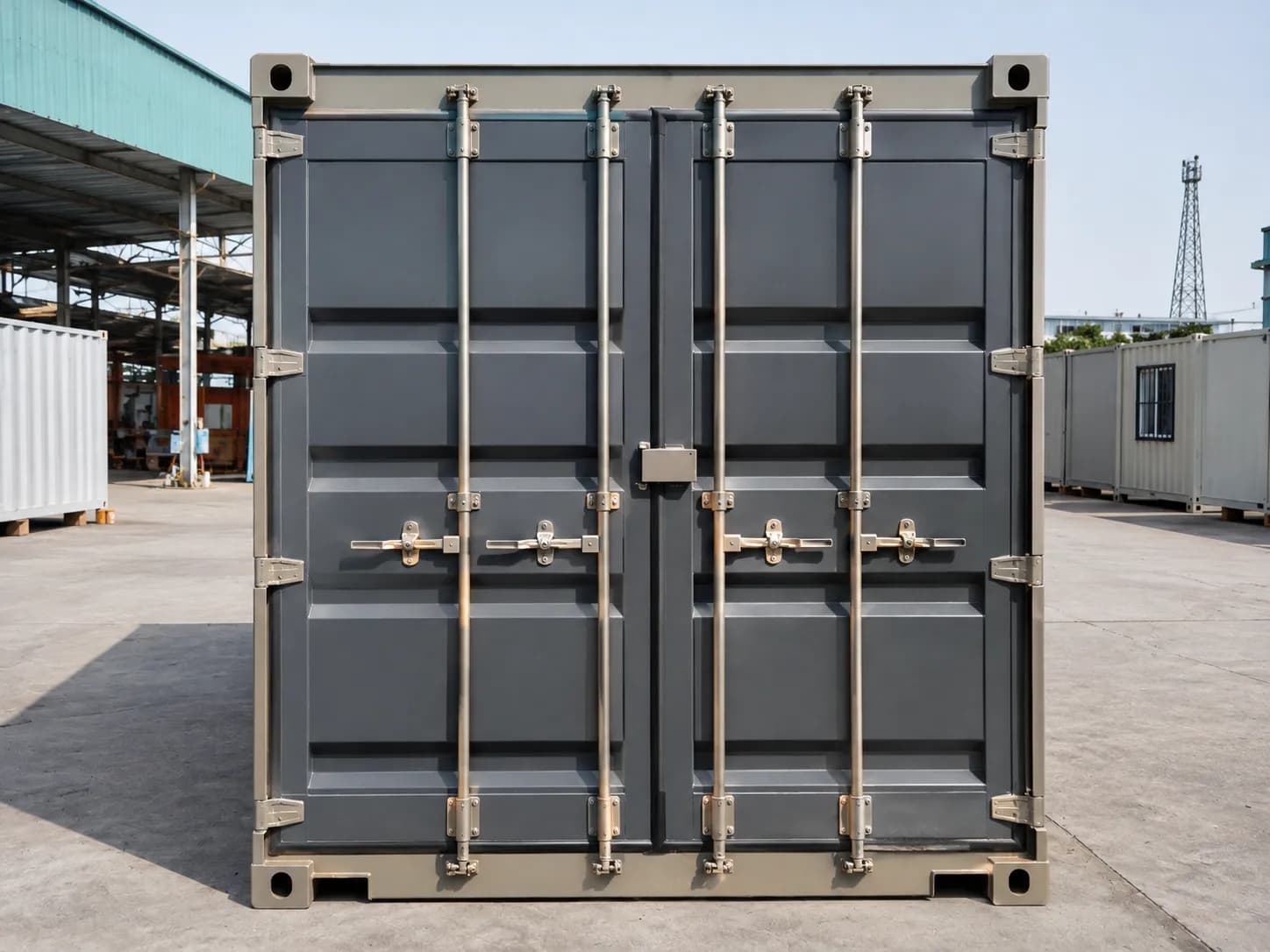
Door dealers and installers may need additional storage for flush doors, panel doors, teak main doors, frames and hardware.
Wood-based products can be sensitive to moisture, unsuitable temperatures and incorrect support. A suitably configured container may provide organised storage where the environmental conditions are appropriate.
Selling uPVC or aluminium windows and glass rather than wooden doors? See our page on uPVC, aluminium and glass storage containers in Varthur.
Flush door and panel door storage
Suitable arrangements may include:
- Level supports or bearers.
- Manufacturer-approved storage orientation.
- Protection against bending.
- Suitable separation between stacks.
- Appropriate load limits.
- Protection against moisture.
Some doors must be stored flat; others come with different manufacturer instructions. One storage orientation does not suit every door product.
Teak main door storage
Premium wooden doors may require:
- Suitable protective wrapping.
- Corner protection.
- Stable supports.
- Appropriate humidity conditions.
- Careful handling.
- Separate storage bays.
Avoid materials or arrangements that could damage decorative finishes.
Wooden door frames
Door frames may be organised by:
- Material.
- Dimensions.
- Profile.
- Project.
- Customer order.
- Dispatch date.
Use suitable supports and stable stacking arrangements.
WPC and bathroom doors
Wood-plastic composite (WPC) doors and other bathroom-door products should be stored according to their manufacturer's requirements.
A WPC product cannot be assumed to store the same way as timber.
Door locks and hardware
Labelled drawers or bins may be used for:
- Mortise locks.
- Handles.
- Hinges.
- Tower bolts.
- Door closers.
- Latches.
- Other compatible hardware.
Organise products by model, size, finish and customer order.
Digital locks
Electronic locks may require:
- Protective packaging.
- Appropriate temperature and humidity.
- Manufacturer-approved battery handling.
- Secure shelving.
- Serial-number tracking.
Batteries should not be charged inside an ordinary storage-only container.
Project-wise door dispatch
Dealers may organise orders by:
- Apartment project.
- Tower.
- Floor.
- Flat number.
- Door dimensions.
- Hardware requirements.
- Installation date.
This can help reduce dispatch errors.
Interior firms fitting modular kitchens and wardrobes into new flats are covered on our page on interior fit-out staging containers in Mahadevapura.
Protecting wooden doors from moisture
A standard metal container can become hot inside and may experience condensation. Depending on the product, suitable provisions may include:
- Insulation.
- Ventilation.
- Humidity monitoring.
- Raised supports.
- Suitable protective packaging.
- Regular leak inspections.
- Environmental controls.
Ventilation alone does not guarantee that wooden doors will stay free from warping or moisture damage.
Follow the door manufacturer's storage and acclimatisation instructions.
Polishes, primers and thinners
Some finishing products are flammable or hazardous. An ordinary container is not a place for them unless an appropriate safety assessment has been carried out and compliant facilities are in place.
Follow product labels, safety data sheets and the regulations that apply.
Container Storage Layout Options
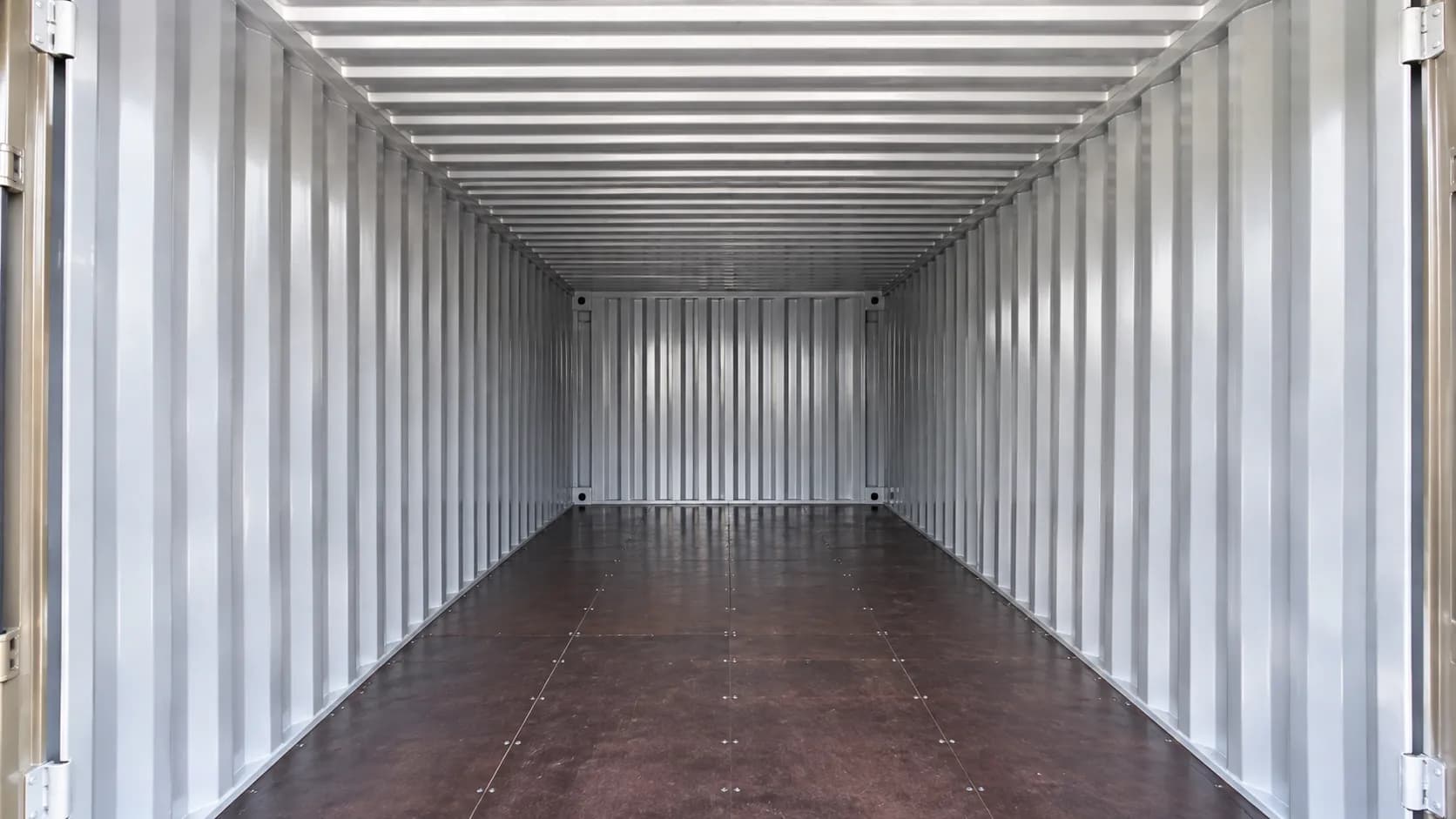
Depending on the application, a suitable container may include:
- Pallet bays for bagged materials.
- Shelving for boxed shop stock.
- Racks for playground components.
- Labelled hardware bins.
- Stable supports for heavy gym equipment.
- Level bearers for wooden doors.
- Lockable storage sections.
- Appropriate lighting.
- Ventilation and insulation provisions.
The final layout is based on the actual inventory, its dimensions and weight, and each manufacturer's requirements.
Incompatible materials and hazardous substances are not combined in one container without a suitable safety assessment.
Shipping Container Placement & Delivery on Begur Road
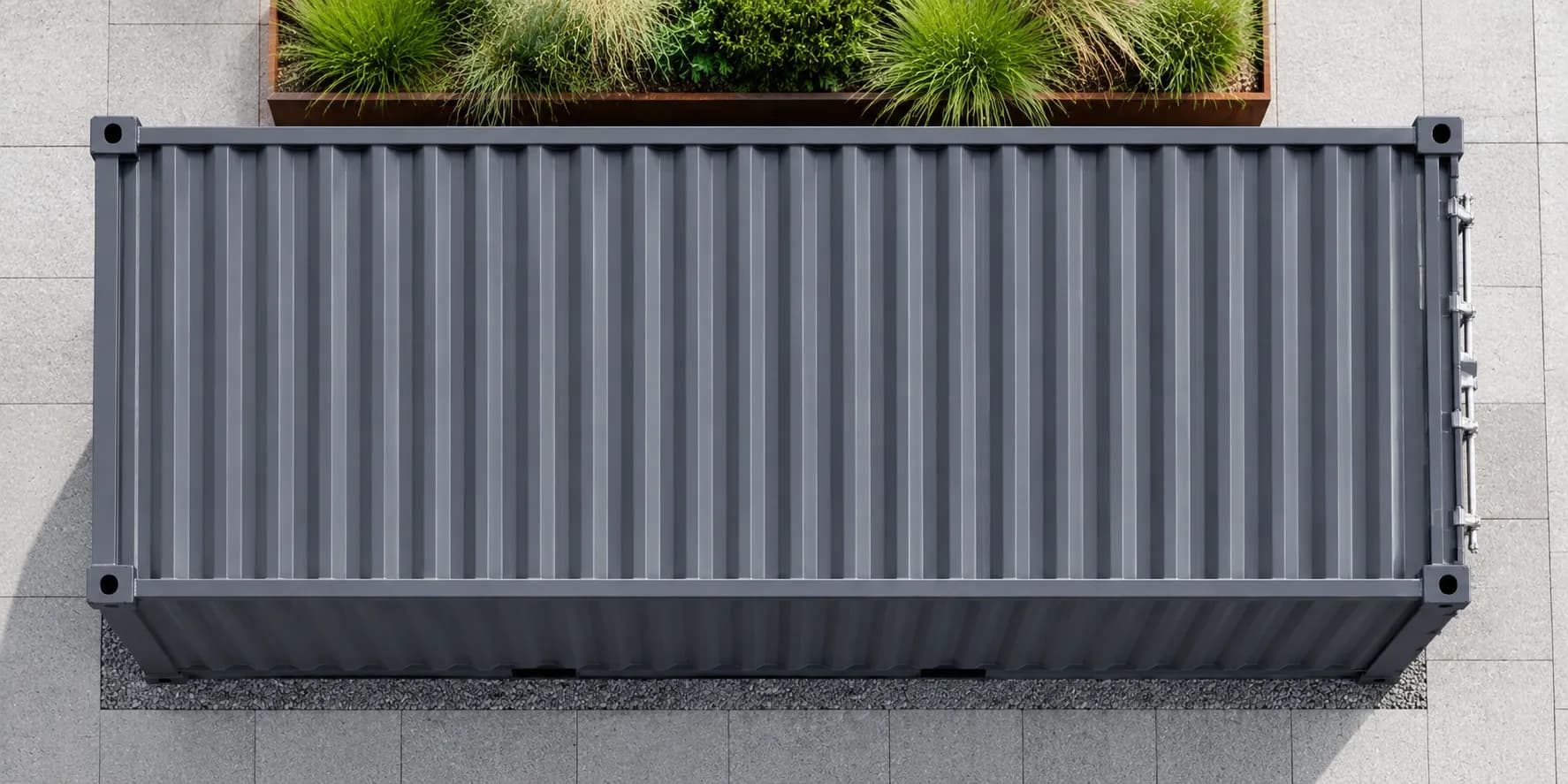
Containers can go on suitable private premises you are authorised to use, such as commercial yards, warehouse compounds, approved storage plots and project sites where the landowner or developer has given permission.
Before delivery, confirm:
- Road width.
- Gate clearance.
- Container dimensions.
- Heavy-vehicle turning space.
- Ground stability.
- Crane or unloading requirements.
- Site permissions.
- Emergency access.
- Applicable local regulations.
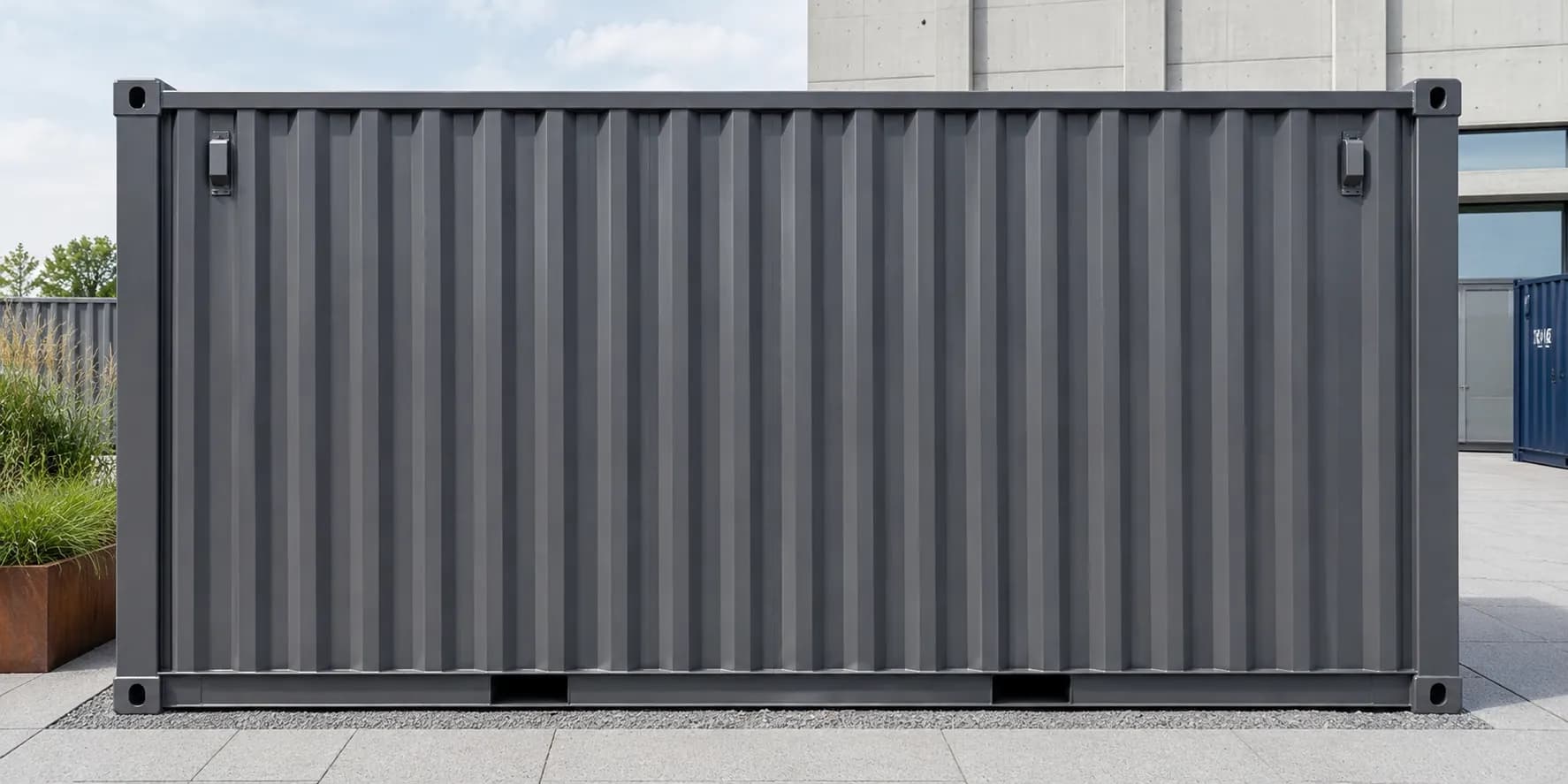
Traffic on Begur Road and the tighter link roads off it shape how and when a lorry is routed. On a cramped plot a 10 ft or 20 ft container can be the practical choice, subject to stock and to what the site allows. We fix the delivery time and the way the unit is unloaded only once the route and the site have been assessed.
Tight approach or a low gate? Our delivery checks for narrow roads and gates on the Bellandur page explain what we look at first.
Shipping Container Sizes
| Container size | Approximate capacity | Possible application |
|---|---|---|
| 10 ft, if available | ~15 m³ | Compact shop stock and fixtures during rebuilding, door hardware or playground spare parts |
| 20 ft | ~33 m³ | Bagged building materials, a larger shop's temporary inventory, playground components or door stock |
| 40 ft | ~67 m³ | Larger installation projects, long equipment sections or bulk door stock, where yard access, structural capacity and space permit |
For cement, the weight of the stock decides the size as much as its volume, so give us the total weight when you ask.
For slide sections, turf rolls and doors, the inside length and the door opening matter as well, so give us the longest and tallest item.
Weighing up a second-hand unit? Start with our notes on inspecting a used container before purchase.
Shipping Container Price on Begur Road
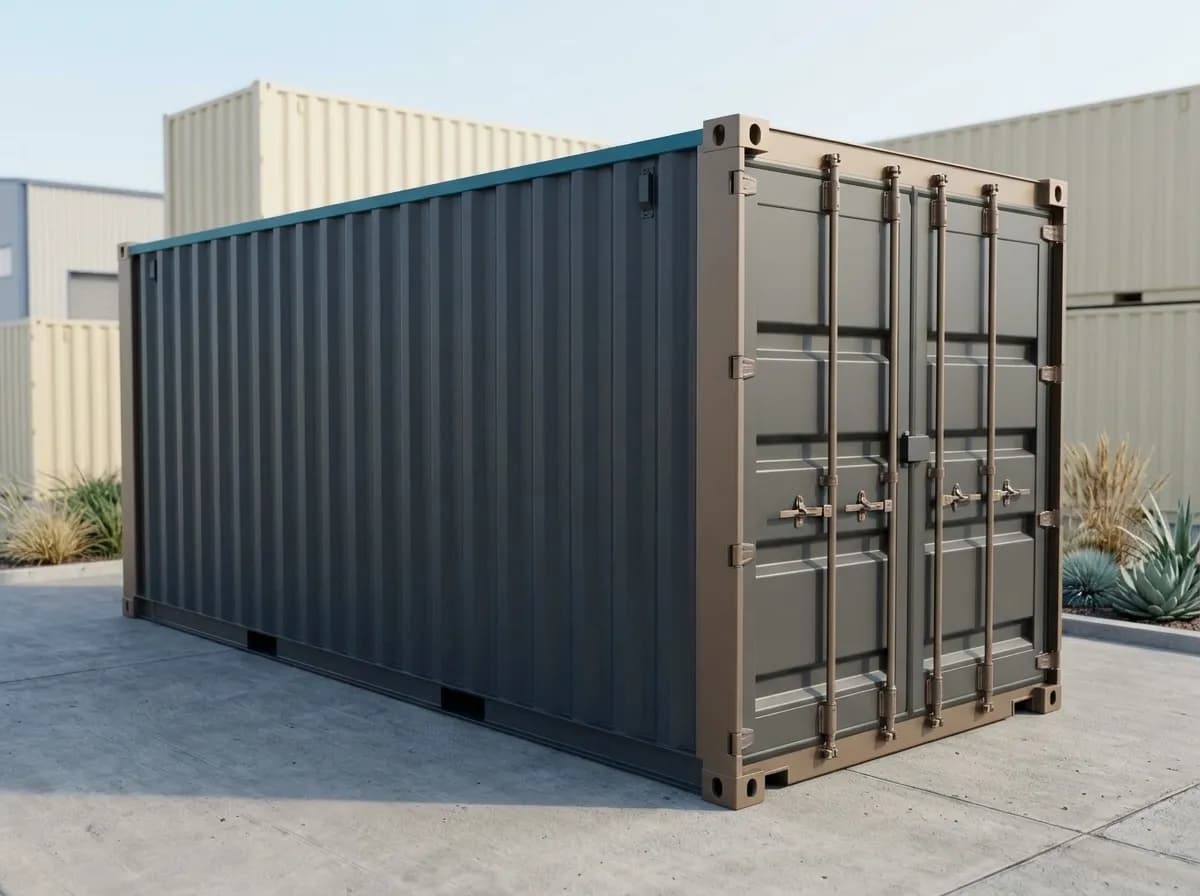
Pricing depends on:
- Container size.
- New or used condition.
- Structural grade and condition.
- Floor condition and load requirements.
- Pallets and raised platforms.
- Shelving and storage bays.
- Racks, door supports and bearers.
- Storage drawers and bins.
- Lashing and restraint provisions.
- Ventilation and insulation.
- Locking and security features.
- Transportation and unloading.
- Site accessibility.
- Relocation, if you need the unit moved later.
Request an itemised quotation based on the actual storage application.
Storage Container on Rent on Begur Road
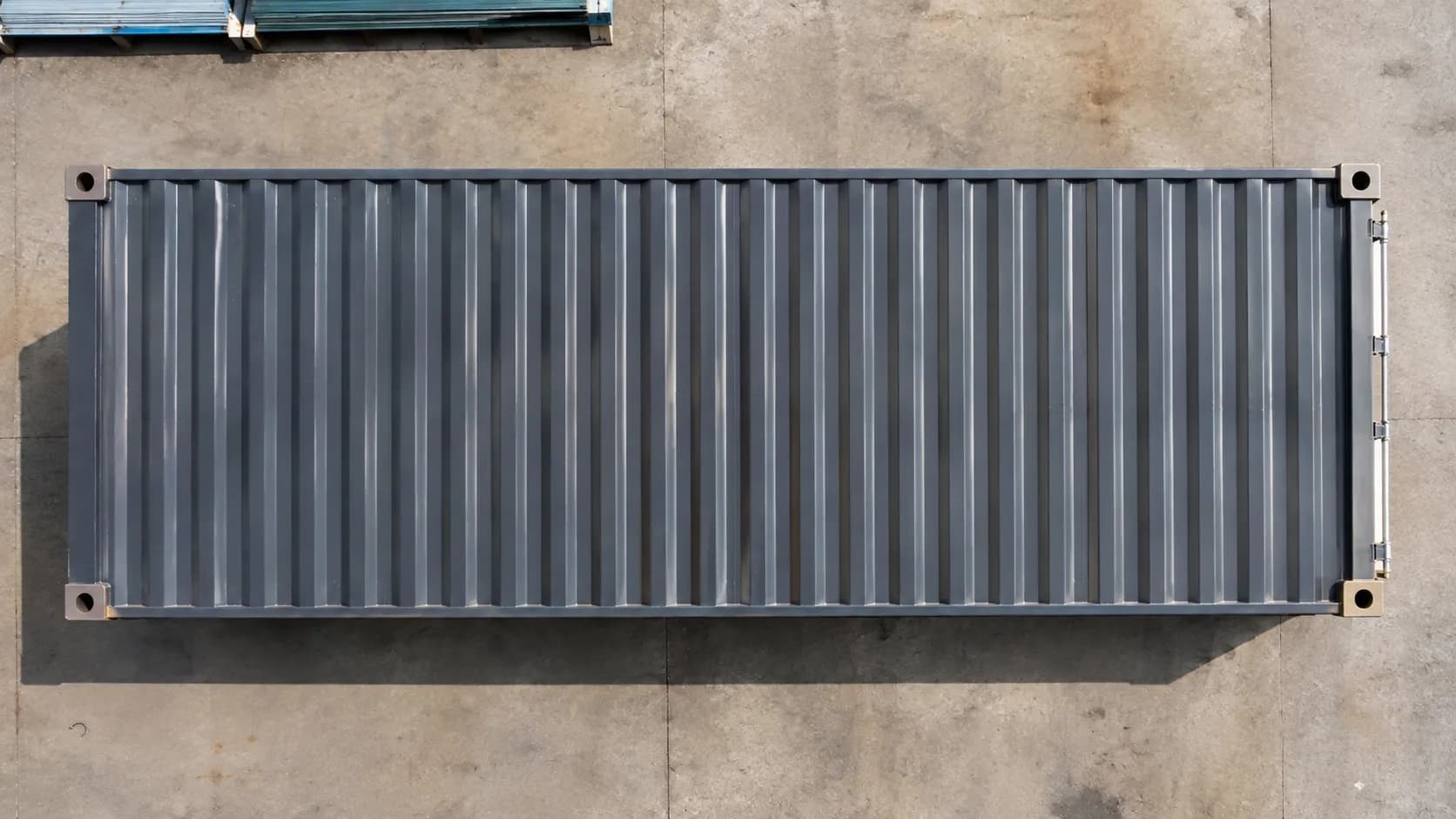
Hiring may suit a shop that will be back in its premises within months, a dealer carrying extra stock through a busy building season, or an installer holding equipment for a run of projects. Units on hire come in 10, 20 and 40 ft lengths and as a 40 ft High Cube, on terms running from one month up to five years. The hire quote spells out the term, the exact unit, transport to your site, any move during the hire and the collection at the end, and the rental agreement records any deposit.
Our page on container hire periods and sizes lists what is offered today.
How to Order a Shipping Container
- Tell us what the container is for: building materials, temporary shop storage, playground or outdoor gym equipment, or wooden doors and hardware.
- Identify the items, their dimensions and quantities.
- Give the estimated total stock weight.
- Select a suitable container size.
- Discuss pallets, shelves, racks, bearers, ventilation and security.
- Confirm the environmental, structural and safety requirements.
- Provide the proposed installation location.
- Check permissions and site access.
- Request an itemised quotation.
- Finalise the specification and delivery arrangements.
Areas Served Around Begur Road
We take shipping and storage container enquiries along Begur Road and from Begur, the Begur lake area, Vishwapriya Layout and Yelenahalli. Begur Road carries heavy traffic, and many dealers' godowns and shops stand on narrower connecting roads, so we look at how a lorry would reach each site before agreeing a delivery date.
Kennels, nurseries and landscapers around Hulimavu, to the west, are covered on our page on shipping containers on Bannerghatta Road.
Building your own home and storing tiles and sanitaryware for it? See our page on tile and sanitaryware storage containers in HSR Layout.
For Bilekahalli and Kodichikkanahalli, see our Bilekahalli container page.
Why Choose Portable Office Cabin?
Portable Office Cabin provides shipping and storage container solutions for commercial inventory and equipment applications. For a Begur Road dealer, shopkeeper or installer, that means:
- Container size options: 10, 20 and 40 ft units, new or used, matched to the weight, bulk and length of what you store and to what is in stock.
- Storage-oriented modifications: each change to the standard box, such as platforms, shelves or vents, is its own line in the quote.
- Pallets, shelving and racking provisions: raised platforms for bagged stock, shelves for boxed fittings or shop cartons, racks for play equipment and level bearers for doors, laid out around what you store.
- Locking arrangements: lockable cargo doors; ask to see the locking gear on the unit quoted to you.
- Ventilation and insulation options: suggested for damp-sensitive bags, shop stock or wooden doors, and costed separately.
- Quotation and delivery coordination: a single written quote covering the unit, its fittings and transport, with the route and site looked at before any delivery day is agreed.
A container is not guaranteed to stay dry inside, it cannot be placed just anywhere, and its floor has a load limit: those are checked for your stock and your site before you order.
Frequently Asked Questions (FAQs)
1. Can cement bags be stored in a shipping container?
Potentially, provided the container is suitable for the total load and the bags are protected against moisture and stored according to the manufacturer's instructions.
2. How high can cement bags be stacked?
The safe stacking height depends on the product, its packaging, the storage arrangement and the safety guidance that applies. Follow the manufacturer's recommendations.
3. How long can cement be stored?
Shelf life depends on the cement type, the manufacturer and the storage conditions. Check the product's manufacturing date and the supplier's instructions.
4. Can wall putty and tile adhesive be stored together?
Compatible bagged materials may be stored in separate labelled sections, where their environmental and handling requirements are met.
5. Can hardware dealers store tools and fittings in the same container?
Yes, where the shelving and storage arrangements are suitable and do not get in the way of handling heavy materials safely.
6. Can shopkeepers store their inventory during rebuilding?
Yes, subject to suitable packaging, storage conditions and permission to use the proposed location.
7. Can a container be placed on a road during widening work?
No. A container must not go on a public road, a footpath or unauthorised land. Obtain the permissions that apply to the actual site.
8. Can refrigerators and coolers be stored inside the container?
Potentially, provided they are handled and stored according to the manufacturer's instructions.
9. Can playground equipment be stored in a shipping container?
Yes, where components are appropriately supported, secured and organised according to the manufacturer's requirements.
10. How should outdoor gym stations be stored?
Use suitable lifting methods, stable supports and correctly rated restraints.
11. Can rubber safety tiles and artificial turf be stored together?
Potentially, where their packaging, handling and environmental requirements are compatible.
12. Can EPDM granules be stored inside the container?
Bagged EPDM granules may be stored where the product manufacturer's storage requirements are met.
13. Can playground adhesives and surfacing binders be stored inside the container?
These products may be hazardous and require appropriate storage arrangements based on their safety data sheets.
14. How should wooden doors be stored to reduce warping?
Use manufacturer-approved supports, orientation and environmental conditions. Some products require horizontal storage.
15. Can teak main doors be stored with flush doors?
Potentially, with suitable separation, protection and handling arrangements.
16. Can door locks, hinges and handles be stored in the same container?
Yes, where they are organised in appropriate bins, drawers or shelves.
17. Can a container be relocated between project sites?
Relocation depends on the container's specifications, transport arrangements and the permissions at each site. A move is quoted separately, so confirm it before committing to a project schedule.
18. What is the shipping container price on Begur Road?
Pricing depends on size, condition, modifications, load requirements and delivery.
19. How quickly can a container be delivered?
It depends on availability, customisation, transport and site access. Request a confirmed timeline with the quotation.
Request a Shipping Container Quotation on Begur Road
Whether you need storage for cement and bagged building materials, temporary space for shop inventory during rebuilding, room for playground and outdoor gym equipment between installations, or organised space for wooden doors and their hardware, Portable Office Cabin can discuss suitable shipping container options based on your requirements. To talk it through, ring +91 97318 97976, send a WhatsApp message to +91 97318 97976 or write to sales@portableofficecabin.com. Service area: Begur Road, Begur, Vishwapriya Layout and Yelenahalli, Bengaluru, Karnataka.
Ask about a container for Begur Road
Choose a container type and quantity and give the location of your shop, godown or yard on or near Begur Road (a shared map location works). Say whether you want to buy or hire, then describe the contents, such as cement, putty, adhesive, boxed hardware, shop cartons, shelving, a cooler, slide sections, outdoor gym stations, turf rolls, doors, frames or locks, with rough quantities, the length of the longest item and the total weight of any bagged stock. That lets us suggest a size, a floor arrangement and fittings.
Every container is supplied from Portable Office Cabin's factory at Survey No. 222, Door No. 2/149-6, Road 1C, Post Addakurukki, Kamandoddi, near Hosur, Tamil Nadu; the company's Bengaluru office is in Electronic City, and there is no depot, yard, shop or branch on Begur Road. The written quotation or rental agreement for your unit is what counts: it records the size, grade, condition, inside dimensions, door opening, rated payload and floor rating; any pallets, platforms, shelving, ventilation, insulation or locks; the hire terms if you rent; and the delivery, unloading, any relocation and the collection. Availability changes, and no delivery date or time is promised ahead of the quotation. The ten pictures on this page are illustrative renders of two containers: none was taken on Begur Road, and none shows a delivered or fitted unit, cement, bagged material, shop stock or fittings, play or gym equipment, safety surfacing, doors for sale or door hardware. Capacities are rounded, and volume is not payload. Cement and building-material dealers, shopkeepers, playground and outdoor gym installers and wooden door dealers are described to show typical uses, not named customers or completed jobs, and the localities listed are simply where enquiries come from. Nothing here says that any property on Begur Road is affected by road widening. An ordinary container is not moisture-proof or climate-controlled, its floor has a load limit, and it is not an approved retail shop or hazardous-chemical store; storing equipment in it does not make that equipment safe to install. What this page says about cement and other bagged materials, stacking, shelf life, floor loading, refrigerators, play and gym equipment, safety surfacing, adhesives, binders, polishes and thinners, wooden doors, batteries, moisture, permissions, road widening and site access is general guidance, not professional structural, electrical, chemical-safety, legal or engineering advice; each manufacturer's and supplier's instructions take precedence.