Office Cabins
Modern modular office cabins for 2026 — glass-and-steel prefabricated workspaces including manager cabins, team pods, phone booths, meeting rooms, and executive suites. 30–40 dB acoustic performance with double-glazed glass. Install 4–6 cabins over a weekend with minimal disruption.
- Brand
- Portable Office Cabin
- Application
- Corporate workspaces, startup & co-working offices, project offices & branded retail outlets
- Steel Grade
- MS CR Sheet / CRCA Sheet — IS 513 & IS 2062 · Corten · ISO-Grade
- MSME Certified
- UDYAM-TN-11-0068545
Transport & installation charges calculated at checkout based on delivery pincode.
- SIZE
- Custom sizes
- RANGE
- Container Offices
- DELIVERY
- 7–21 Working Days
- FRAME / MATERIAL
- Steel Frame with Glass Partitions
- BRAND
- Portable Office Cabin
- BEST FOR
- Indoor Workspaces
Key Features
- 30–40 dB acoustic performance with double-glazed glass
- Powder-coated aluminium frames with slim modern profiles
- LED lighting with motion sensors at 3000K warm tones
- Floor/skirting trunking for power and data cabling
- Modular gypsum or PUF insulated privacy panels
- Soft-close doors with acoustic drop seals
- Relocatable and reconfigurable — ideal for leased spaces
- Fire-rated doors and emergency lighting provisions
- Biophilic design options with planters and timber textures
- Smart tech integration — occupancy sensors, booking apps
Specifications
| Frame Material | Powder-coated aluminium or steel |
| Glass Options | Clear, frosted, tinted — single or double-glazed |
| Acoustic Rating | 30–40 dB sound reduction |
| Insulation | PUF/EPS/Gypsum modular panels |
| Lighting | LED with motion sensors, 3000K warm tone |
| Size Range | 1 m² phone booth to 18+ m² executive cabin |
| Installation | 4–6 cabins in 1 weekend; 20-cabin cluster in 2–3 weeks |
| Service Life | 15–20+ years with proper maintenance |
Cabins in Office: Modern Modular Workspaces for 2026
Cabins in office settings have transformed dramatically over the past three decades. What once meant bulky wooden partitions and fixed manager rooms now refers to sleek, prefabricated office structures built with glass-and-steel modular systems that can be assembled in a short time. We are proud to deliver high-quality, reliable prefab office solutions, backed by years of experience and a strong dedication to quality.
This guide covers what office cabins are, why companies in 2026 use them, and how to design and install them quickly to support hybrid work and productivity goals.
What Are Office Cabins?
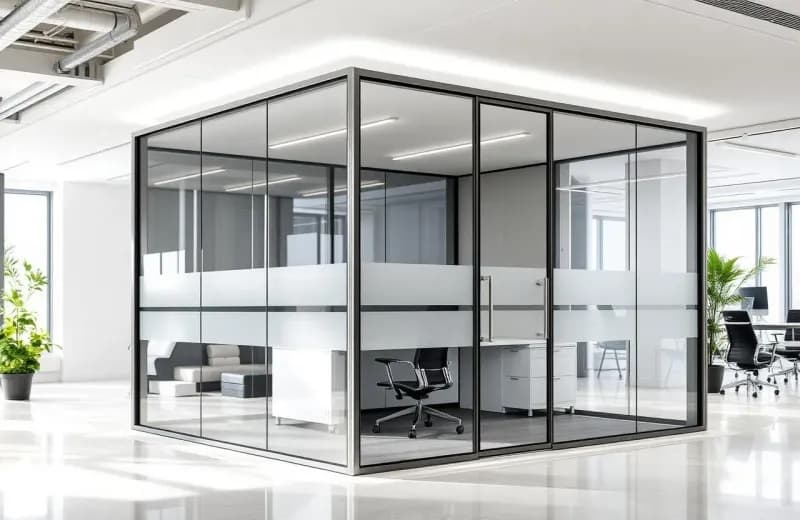
Office cabins are prefabricated or built-in enclosed spaces within open-plan offices. Companies use them for managers, deep-focus tasks, meetings, and confidential calls. A prefab office cabin can be fully enclosed with floor-to-ceiling glass or semi-enclosed using half partitions with acoustic panels.
| Cabin Type | Area | Occupants | Typical Use |
|---|---|---|---|
| Single-manager cabin | 8–12 m² | 1–3 | One-on-ones, focused work |
| Team cabin | 12–18 m² | 2–4 | Sensitive projects |
| Phone/focus booth | 1–2 m² | 1 | Calls, quick tasks |
| Meeting cabin | 4–12 m² | 2–6 | Video calls, stand-ups |
| Executive cabin | 18+ m² | 1–4 | Leadership, lounge meetings |
Key Features of Modern Office Cabins
Acoustic Performance
- 30–40 dB sound reduction with double-glazed glass
- Acoustic ceiling tiles and sealed partitions
- Prevention of sound flanking through floors and ceilings
Materials & Construction
- Powder-coated aluminium frames in slim profiles
- Laminated or tempered glass (clear, frosted, tinted)
- Modular gypsum or PUF insulated panels
Integrated Services
- LED lighting with motion sensors at 3000K
- Floor/skirting trunking for power and data
- Concealed HVAC diffusers for ventilation
Ergonomic Elements
- Adjustable desks and durable task chairs
- Under-desk storage and cable management
- Optimized for 60–90 min deep work sessions
Safety & Compliance
- Fire-rated doors and panels where needed
- Emergency lighting provisions
- Ventilation per local building codes
Modularity
- Factory fabrication, minimal on-site disruption
- Relocatable and reconfigurable
- Scalable from 4 booths to 20+ cabin clusters
Types of Office Cabins
Most offices mix several cabin types rather than relying on a single format:
- Manager/leadership cabins: Glass-front design with optional blinds, small meeting table for 3–4 people
- Shared team cabins: Enclosed rooms for 4–8 employees, typically 15–25 m²
- Meeting cabins: Enclosed pods sized for 2–6 people, suitable for video calls
- Focus/phone booths: Single-person acoustic cabins with stool, worktop, power and data
- Executive cabins: Larger structures with premium finishes, lounge seating, and personal storage
Design & Planning: How to Lay Out Office Cabins
Planning checklist:
- Calculate total floor area in m² and team size
- Determine remote vs in-office ratio (typically 40–60% in-office for hybrid)
- Count daily calls and meetings to establish cabin requirements
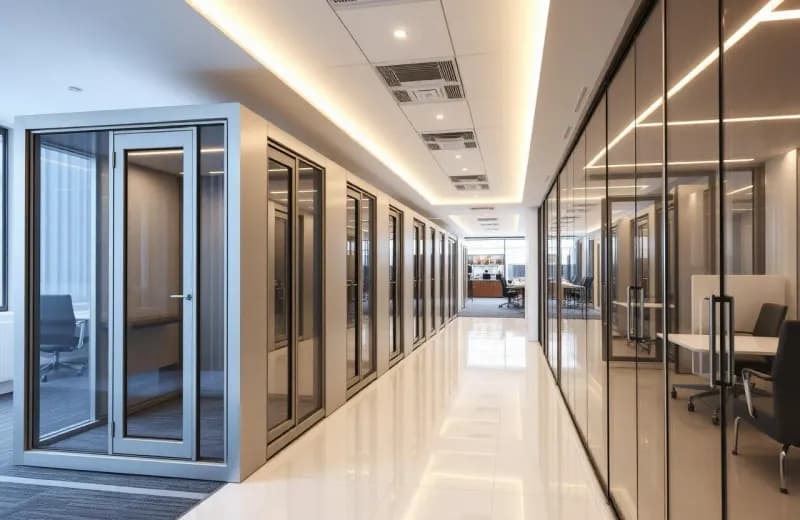
- Position cabins along building core to preserve natural light
- Maintain minimum 1.2 m corridor widths per local code
- Leave soft zones for future expansion
- Coordinate with MEP systems — HVAC diffusers, sprinklers, floor boxes
Materials used in office cabins:
- Framing: Aluminium (slim, modular); steel for heavy-duty; powder-coat in white, black, grey
- Glass: Clear, frosted, or tinted; double-glazed for acoustics; frosted bands for privacy
- Solid walls: Gypsum board, PUF/EPS panels, or MDF laminate for premium finishes
- Flooring: Office carpet or LVT extended into cabins for consistency
- Hardware: Soft-close doors, floor springs, acoustic drop seals, minimalist handles
Prefab Office Solutions
Prefab office solutions have revolutionized the way businesses approach workspace creation. Prefabricated office buildings are engineered to be cost effective and efficient, allowing companies to create modern offices tailored to their specific needs in a remarkably short time. Modular office systems allow you to scale operations as your team grows, with custom designs available for different sizes and configurations.
Ideal for construction sites, startups, and businesses seeking either temporary or permanent offices, prefab office solutions offer unmatched flexibility. These structures can be designed and built to fit your requirements — from a small portable office to a larger, multi-story complex.
Weather Resistance
Steel frames and PUF/EPS insulated panels withstand heavy rainfall, strong winds, and extreme temperatures. 15–20+ year lifespan with proper maintenance.
Customization
From layout and design to materials and finishes — integrated washrooms, kitchens, meeting rooms. Fully self-contained workspaces matching brand identity.
Small Business Ready
Fast installation, minimal disruption. Easily relocated or expanded as business grows. Energy-efficient systems and eco-friendly materials available.
Benefits of Having Cabins in an Office
Productivity Gains
Fewer call disruptions; 20–30% higher focus in enclosed zones for tasks requiring 60–90 minutes of deep work
Privacy & Confidentiality
Suitable for HR meetings, performance reviews, client negotiations, and legal discussions
Hybrid Work Support
Dedicated video conferencing space with stable acoustics and lighting for remote collaboration
Employee Well-being
Reduced noise fatigue; ability to step away for focused work without leaving the office
Fast Installation
Office cabins set up and adapted quickly — minimal disruption to business operations
Cost-Effective Flexibility
Easier to reconfigure than permanent brick walls; avoid demolition costs 2–3x higher
Applications of Modular Workspaces
Modular workspaces offer versatile solutions across industries. On construction sites, they provide essential temporary or permanent spaces for site managers, engineers, and project teams. Beyond construction, they serve education, healthcare, and government sectors needing quick additional offices or specialized facilities. They're also ideal for events, festivals, conferences, and exhibitions.
Modular workspaces can also serve as home extensions or protective enclosures. Their ability to be relocated, reused, and reconfigured makes them a sustainable and practical choice for businesses seeking flexible workspace solutions.
Challenges & Considerations
Natural Light Blockage
Avoid lining cabins along window facades; use full-height clear glass instead of solid walls
Ventilation
Each enclosed cabin needs 6–10 air changes per hour; coordinate with HVAC experts
Acoustic Leakage
Sound flanking through unsealed ceilings and floors; ensure full-perimeter seals during installation
Compliance
Verify doors, exit routes, and fire sprinklers meet local building and fire codes post-installation
Installation Process & Timelines
Typical process:
- 1Site survey and measurements
- 2Design approval with the client's team
- 3Factory fabrication of components
- 4On-site assembly
- 5IT and power integration
- 6Inspection and handover
Timeline examples:
- 4–6 single cabins: Installed over one weekend in a 5,000 ft² office
- 20-cabin cluster: Completed in 2–3 weeks
Example: A mid-size consulting firm in India upgraded to 12 prefabricated office cabins without shutting down operations — the team installed cabins floor-by-floor during evenings.
Specification Tiers for Office Cabins
| Tier | Specifications |
|---|---|
| Basic | Standard aluminium, single-glazed |
| Standard | Double-glazing, integrated LEDs |
| Premium | Branded acoustics, smart tech, biophilic elements |
The cabin listed on this page is sold at the single price shown at the top, inclusive of 18% GST, with transport and optional installation calculated at checkout from your delivery pincode. Other tiers and custom fit-outs are made to order and quoted separately. Long-term savings come from easier reconfiguration — avoiding the demolition work that brick walls require.
Design Trends for Office Cabins in 2024–2026
Transparent Privacy
Clear glass with acoustic films and subtle frosting lines
Biophilic Elements
Planters, vertical gardens, timber textures within and around cabins
Technology Integration
Built-in screens, occupancy sensors, booking apps, cable raceways
Soft Aesthetics
Natural materials, warm 3000K lighting, no 'boxy' corporate feel
How to Choose the Right Cabin Mix
- Conduct a 2–4 week usage study tracking quiet space, call, and meeting needs
- Map requirements: 1 manager cabin per 12–15 staff, 1 meeting cabin per 20 staff, 1 phone booth per 8–10 employees
- Involve HR and team leaders to understand culture and work patterns
- Pilot-test a small number of cabins and adjust based on real usage analytics
Real-world example:
A fintech startup downsized from 10 large cabins to 6 smaller ones plus 8 phone pods after tracking actual usage — boosting utilization by 25% and freeing up portable workspaces for project teams.
Future of Office Cabins
Office cabins will remain central as companies refine hybrid policies through 2026 and beyond. Emerging concepts include demountable cabins that can be relocated floor-to-floor, climate-controlled focus pods for Indian summers, and cabins designed for VR/AR collaboration. Data-driven design is rising — sensors now report cabin occupancy, air quality, and noise levels to optimise layouts over time. Sustainability drives the manufacture of cabins with recyclable aluminium, low-VOC panels, and modular components that support reuse after office moves.
Ready to Order Your Modern Office Workspace?
Buy the office cabin on this page online with secure payment — transport and optional installation are calculated at checkout from your delivery pincode. For multi-cabin pilots or custom fit-outs, call our facilities experts.
Frequently Asked Questions About Office Cabins
Delivery Areas and Buying Guides
Compare all Container Offices by size and priceContainer offices by location
Buying guides
- Installation and site preparation
Base, access and crane planning before a unit arrives.
- Transport and delivery
Trucks, cranes and what to check on the route to site.
- Layouts and interiors
Planning desks, partitions, storage and services inside a cabin.
Customer Reviews
No reviews yet — be the first to share your experience.
No reviews yet for Office Cabins.
Related Container Offices
View All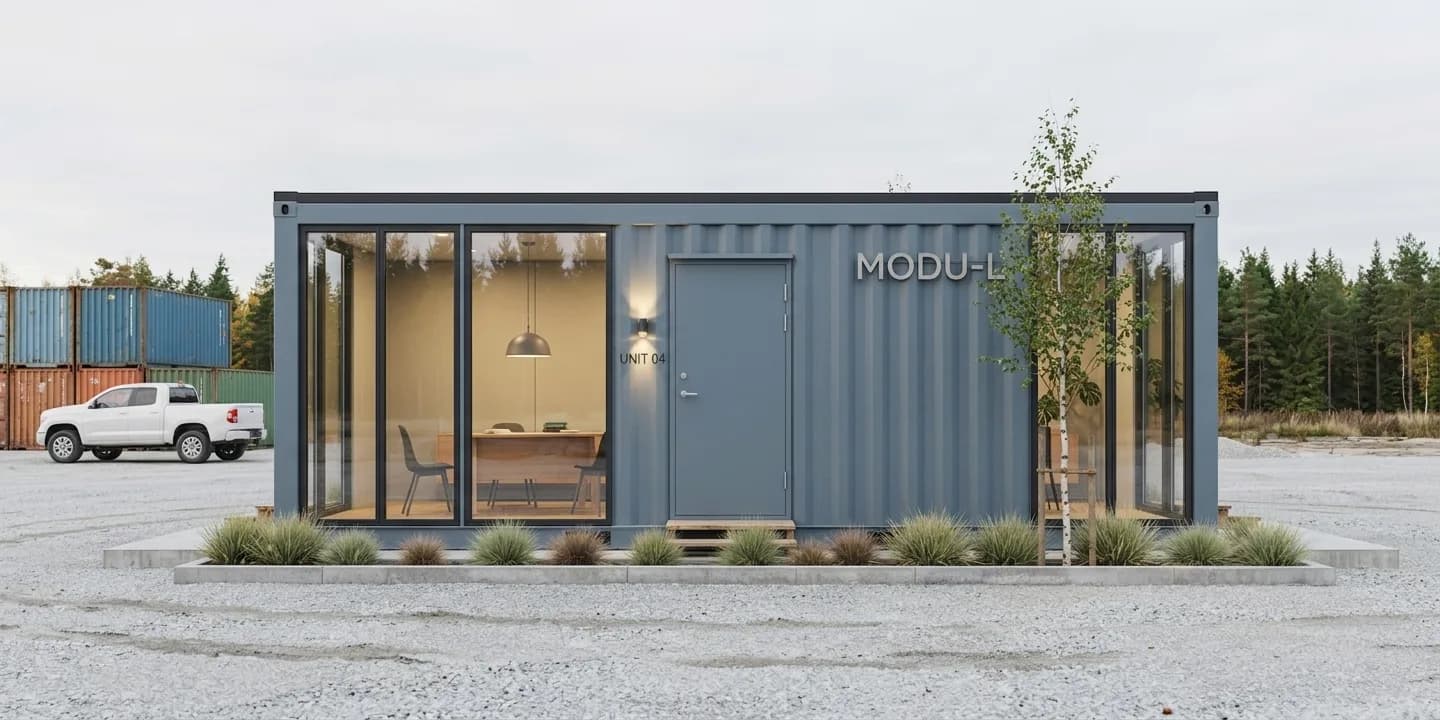
VIP Container Office
Premium, fully furnished VIP container office — AC, insulated, glass façade and executive interiors. 40×14×9 ft. For sale & on rent across India.
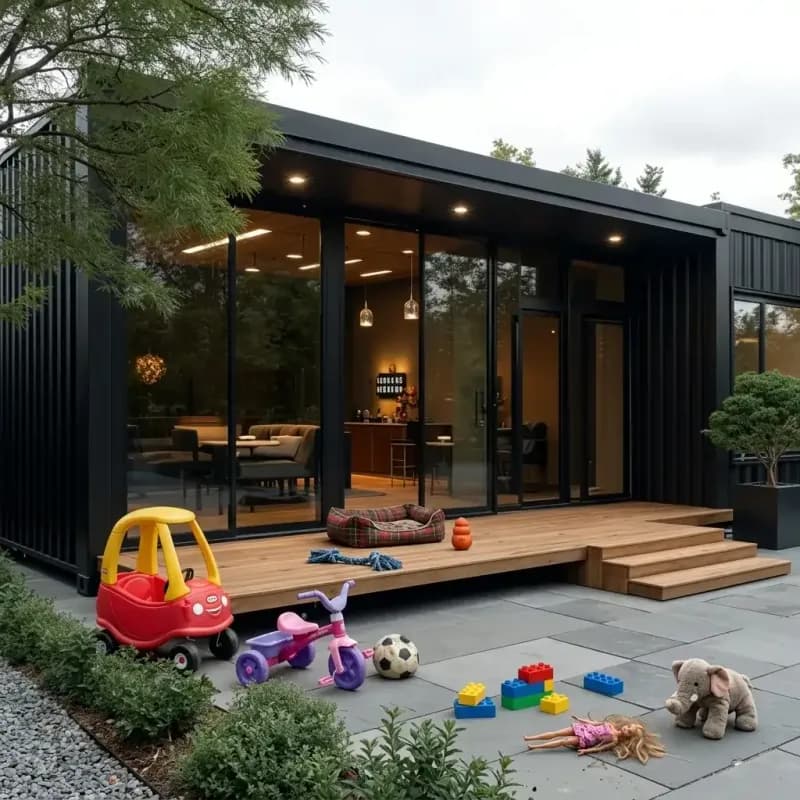
Modern Container Office
Container transformed into a sleek modern workspace
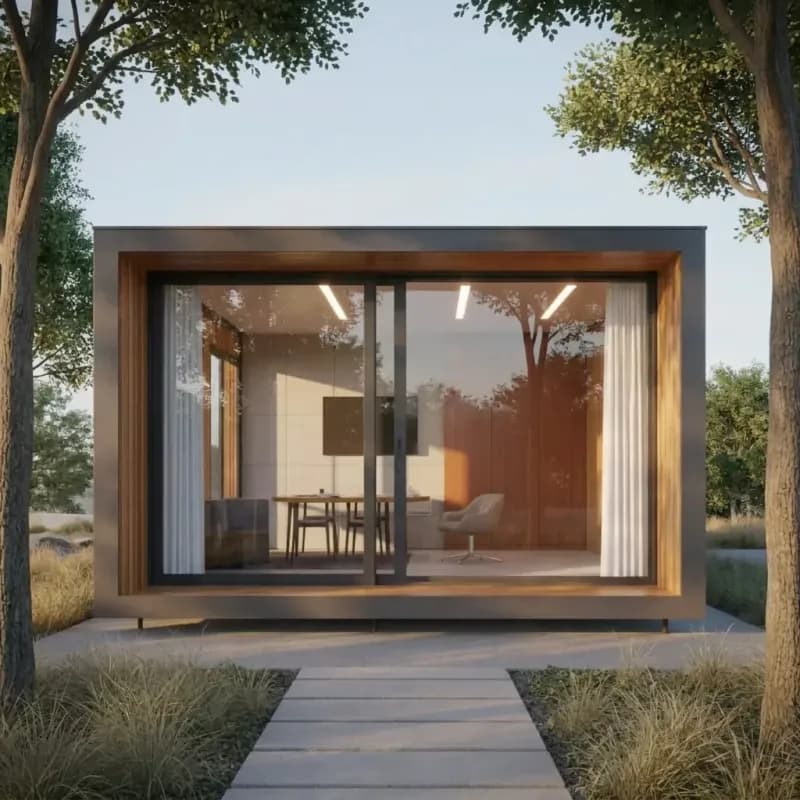
Container Office
Modern workspace solution — rapid deployment, fully customizable, relocatable